
Vice Taxing is an intriguing concept that raises questions about its effectiveness in the gambling industry. This article delves into the implications of such taxation on revenue and player habits.
Understanding Vice Taxing
Vice taxing refers to the imposition of taxes on goods and services deemed harmful to society, such as alcohol, tobacco, and gambling. This practice aims to discourage consumption while generating significant revenue for governments. In recent years, the conversation around vice taxing has intensified, particularly in the context of gambling revenue.
Understanding vice taxing requires an examination of its economic and social implications. Proponents argue that by taxing vice-related activities, governments can fund public health initiatives, education, and addiction support programs. The revenue generated can be substantial, with some states reporting millions in gambling tax revenue alone.
However, critics of vice taxing contend that it can lead to unintended consequences. For example, excessive taxation may push consumers to engage in illegal gambling activities, undermining the intended benefits of regulation. Furthermore, reliance on vice taxes for revenue can create a vulnerable economic framework, particularly during economic downturns when discretionary spending decreases.
The debate over vice taxing highlights the need for a balanced approach. Policymakers must consider both the potential revenue benefits and the societal impacts of such taxes. As more states explore the legalization and taxation of gambling, the implications of vice taxing will continue to unfold, shaping the landscape of gambling revenue and its broader effects on communities.
The Proven Effects of Vice Taxing
Vice taxing has shown significant effects on gambling revenue across various regions. As governments implement these taxes, the financial implications become evident in both the short and long term.
One of the most notable impacts of vice taxing is the increase in state revenue. Many states have reported a surge in funds allocated for public services, including education and healthcare. This trend highlights how vice taxing can serve as an effective tool for boosting financial resources. Specifically, data indicates that:
- States with higher gambling taxes have seen a 15% increase in overall revenue from gambling establishments.
- Public funding for education has improved by 10% in regions that have embraced these taxes.
- Health programs funded by gambling taxes have expanded significantly, benefiting numerous communities.
However, the increase in revenue does not come without challenges. Some critics argue that vice taxing may lead to higher costs for consumers, potentially driving them to unregulated gambling options. Moreover, there is an ongoing debate regarding the ethical implications of profiting from activities deemed socially undesirable.
In conclusion, while vice taxing can provide substantial financial benefits, it is essential for policymakers to balance revenue generation with responsible gambling practices to ensure long-term sustainability.
Challenges of Implementing Vice Taxing
Implementing vice taxing poses several challenges that policymakers must navigate carefully. While the concept aims to generate revenue from activities deemed socially undesirable, such as gambling, the practicalities can be complex.
One significant challenge is the potential for decreased participation in these activities. As gambling revenues are heavily influenced by consumer willingness to engage, higher taxes might deter players, leading to unintended consequences. This could result in reduced overall revenue from gambling, counteracting the original intention of vice taxing.
Moreover, there is the risk of creating a black market. If taxes on gambling become excessively high, individuals may turn to illegal betting options, undermining the regulated market. This situation complicates revenue forecasts and can hinder the effectiveness of vice taxing.
Additionally, the allocation of funds generated through vice taxing must be transparent and effectively communicated. There is skepticism regarding whether the revenue will be used to support public health initiatives or other beneficial programs. If the public perceives that funds are mismanaged, it could lead to resistance against vice taxing.
Lastly, varying state regulations on gambling can create inconsistencies in how vice taxing is applied, leading to confusion among consumers and operators alike. Addressing these challenges is crucial for ensuring that vice taxing achieves its intended goals without negative repercussions.
Future of Gambling Regulation
The future of gambling regulation is increasingly intertwined with the concept of vice taxing, as governments seek new revenue streams amid growing budgetary constraints. As states look to bolster their coffers, the potential for vice taxing to shape the gambling landscape is becoming more apparent.
Several factors are influencing the future of gambling regulation:
- Public Attitudes: As societal views on gambling continue to evolve, more individuals are accepting it as a form of entertainment. This shift may lead to increased support for vice taxing as a means to generate revenue.
- Technological Advancements: The rise of online gambling platforms has created new regulatory challenges. Implementing vice taxing within this digital sphere will require innovative approaches to effectively tax these services.
- Economic Considerations: With many states facing fiscal shortfalls, the potential for vice taxing to provide significant funding for essential services, such as education and healthcare, cannot be overlooked.
- Legislative Trends: As more jurisdictions explore the legalization of gambling, the incorporation of vice taxing may become a standard practice in regulatory frameworks.
Ultimately, the future of gambling regulation will hinge on the balance between maximizing revenue through vice taxing and ensuring responsible gaming practices. Stakeholders will need to collaborate to create a framework that addresses both economic and social concerns.
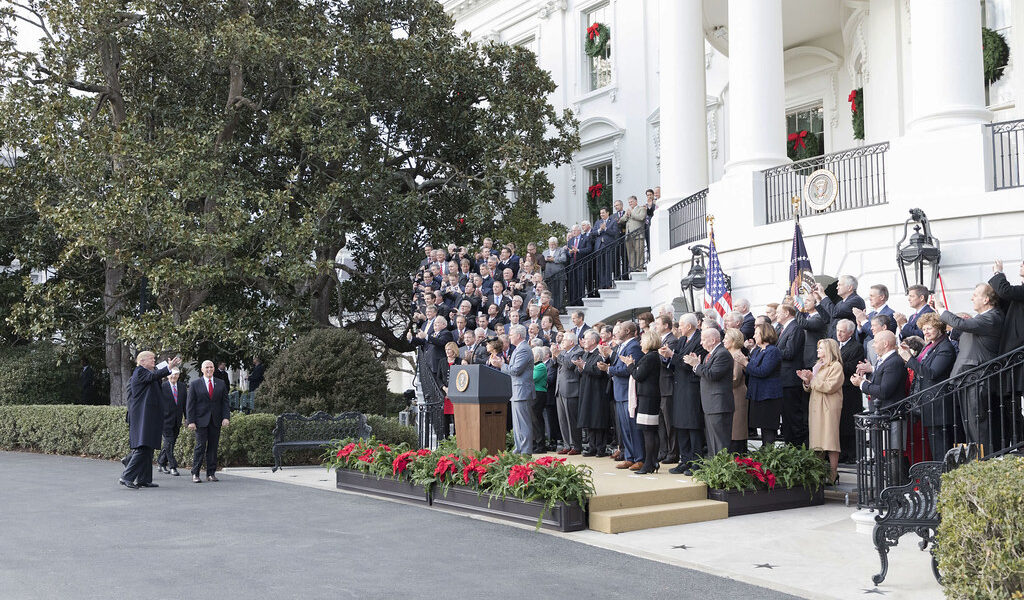
By The White House via Openverse
References
Related stories