
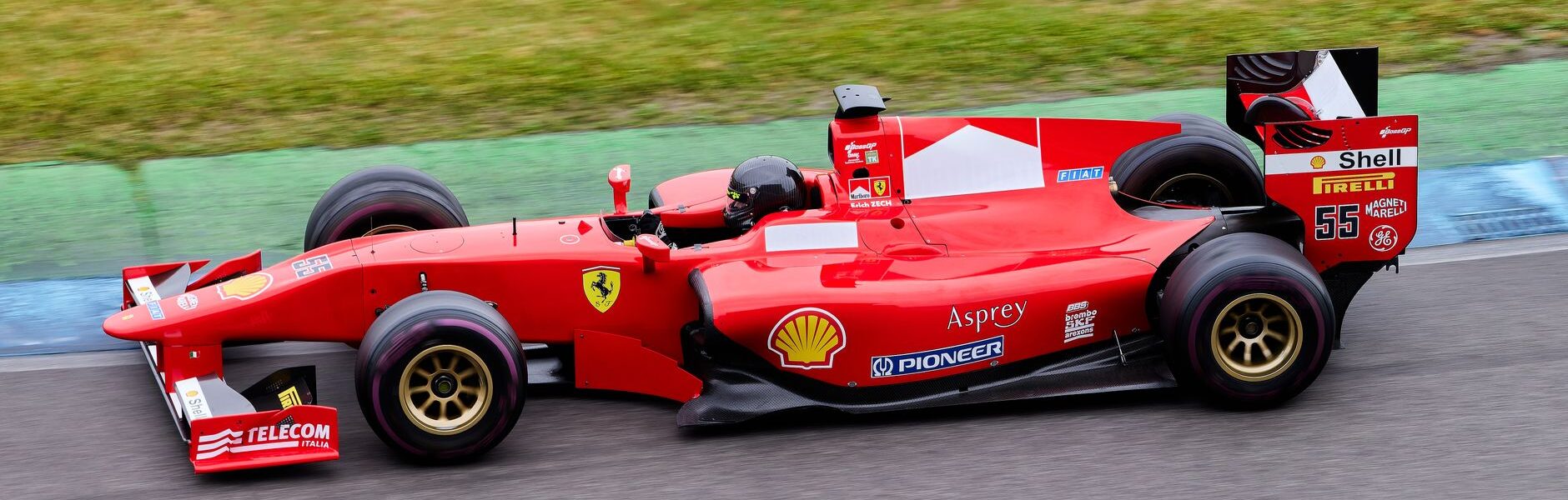

Formula 1 race distance is undergoing significant changes with a reduction of 15km for future races. This adjustment aims to enhance the overall racing experience for fans and competitors.
Overview of Formula 1 Changes
In a notable shift for motorsport enthusiasts, Formula 1 has announced a reduction in the maximum race distance for its events, decreasing it by 15 kilometers. This change, set to take effect in 2027, aims to enhance the overall experience for fans and competitors alike.
The decision comes after extensive feedback from both drivers and spectators, who have expressed concerns about the physical demands and endurance required during longer races. By shortening the Formula 1 race distance, the organization hopes to maintain high levels of excitement and competitiveness throughout each event.
Key aspects of this change include:
- Shorter race durations: The adjustments will likely lead to faster-paced races, keeping fans engaged and on the edge of their seats.
- Driver safety: Reduced distances may help mitigate fatigue and the associated risks, ensuring drivers can perform at their best.
- Increased strategy: Teams may need to rethink their race strategies, leading to dynamic and unpredictable outcomes.
As Formula 1 prepares for these significant changes, many are eager to see how they will impact the landscape of racing and fan engagement in the coming years.
Impact on Race Strategy
The recent reduction of maximum race distance in Formula 1 has significant implications for race strategy. With the new limit set at 15 kilometers less than previous regulations, teams must rethink their approach to both tire management and fuel efficiency.
Historically, race strategies have been heavily influenced by the length of the race. Teams would often plan multiple pit stops, factoring in tire wear and degradation over a longer distance. However, with the revised race distance, strategies will need to be more aggressive and focused on maximizing performance within a shorter timeframe.
- Tire Management: Teams may opt for softer compound tires that offer better grip, knowing that the shorter race distance allows them to exploit the tires’ performance without worrying about long-term durability.
- Pit Stop Strategy: Fewer laps may lead to fewer pit stops, pushing teams to make bolder decisions regarding timing and tire choices.
- Fuel Load: Teams might also reconsider their fuel loads, as a lighter car could lead to faster lap times, but must balance this against the risk of running out of fuel before the finish.
These changes could shift the focus of the race from endurance to sprint-like tactics, creating a more dynamic and exciting viewing experience for fans.
Fan Reactions to New Distance
The recent decision to reduce the maximum Formula 1 race distance by 15km has sparked a wave of reactions from fans worldwide. Many supporters have taken to social media to express their thoughts on the change, highlighting both positive and negative perspectives.
Some fans are welcoming the new distance, believing it will enhance the overall excitement of the races. “Shorter races mean more action,” said one enthusiastic fan. “We want to see more overtakes and less time spent waiting for the inevitable.” This sentiment echoes among those who appreciate the quicker pace and the potential for increased unpredictability in race outcomes.
However, not everyone is pleased with the alteration. Some long-time followers of the sport argue that reducing the Formula 1 race distance takes away from the strategic elements that have long been a hallmark of racing. “I feel like we’re losing the essence of endurance racing,” commented another fan, emphasizing the need for a balance between speed and strategy.
As the 2027 season approaches, Formula 1 will undoubtedly continue to gauge fan reactions to these changes, ensuring that the sport evolves while still honoring its rich history.
Comparison with Previous Race Lengths
As Formula 1 continues to evolve, the reduction in maximum race distance has sparked interest among fans and analysts alike. The new regulations, which decrease the race distance by 15 kilometers, mark a significant shift from traditional race lengths. This change aims to enhance the overall viewing experience while maintaining the sport’s competitive edge.
Historically, Formula 1 races have typically ranged between 305 to 310 kilometers, but this adjustment brings the maximum distance closer to 290 kilometers. This change has drawn comparisons to previous race lengths, where teams had to strategize for longer durations, often resulting in fatigue management becoming a critical aspect of race day.
The impact of this new formula is notable as it could lead to more aggressive racing tactics. Teams might prioritize speed over endurance, knowing that the race distance is shorter. Fans are eager to see how this will influence not only race strategies but also the overall excitement of the sport.
Moreover, the shift towards a reduced Formula 1 race distance aligns with a broader trend in sports, where shorter formats have proven to engage audiences more effectively. As the 2027 season approaches, the anticipation surrounding these changes continues to build.
Future of Formula 1 Races
The future of Formula 1 races appears to be shifting significantly with the recent changes introduced for the 2027 season. One of the most notable adjustments is the reduction of the maximum race distance by 15 kilometers. This decision has sparked conversations about its potential effects on various aspects of the sport.
As teams adapt to this new formula for race distance, strategies may evolve to accommodate the shorter laps. Drivers will need to recalibrate their approaches, balancing speed and tire management within a condensed timeframe. This change could lead to more intense battles on the track, as drivers push to maximize their performance over the adjusted distance.
Moreover, fans are likely to experience a different dynamic during races. With a shorter race distance, the likelihood of increased action and drama could enhance viewer engagement, drawing more spectators to both in-person events and broadcasted races. The excitement of a race that packs a punch into a shorter span may prove beneficial in attracting a new generation of fans.
As the sport evolves, it will be crucial to monitor how these changes affect not only the teams and drivers but also the passionate community that forms the backbone of Formula 1 racing.
Conclusion on Distance Reduction
In conclusion, the recent decision to reduce the maximum distance of Formula 1 races has sparked a significant conversation among fans and stakeholders alike. The reduction by 15 kilometers is not merely a logistical adjustment but a statement about the evolving nature of the sport. As audiences become increasingly engaged with shorter, more thrilling race formats, this change appears to align perfectly with contemporary viewing preferences.
Many fans have expressed enthusiasm for the potential of more intense and strategic races, as shorter distances can lead to increased overtaking opportunities and heightened drama. Race distance plays a crucial role in shaping race strategy, and with this change, teams may need to rethink their approaches to pit stops and tire management.
Moreover, the impact on viewer engagement cannot be underestimated. Shorter races may encourage more viewers to tune in, as the action is likely to be more frantic and less drawn-out. The Formula 1 management’s decision reflects a broader trend in sports towards adapting to audience preferences, ensuring that the spectacle remains compelling and accessible.
As we look to the future, the implications of this distance reduction could redefine not only how races are conducted but also how they are perceived by a global audience.
The recent adjustments to the Formula 1 race distance have sparked diverse reactions among fans. Many enthusiasts believe that a shorter Formula 1 race distance could enhance the excitement and competitiveness of each event.
Photo by Philipp Fahlbusch on Pexels
Sources
Michael Carrick: Is His Defence of Man Utd Stars Honest? · Asian Games 2026 schedule: Complete fixtures and events · Sooryavanshi success: Is it the worst technique in cricket?